
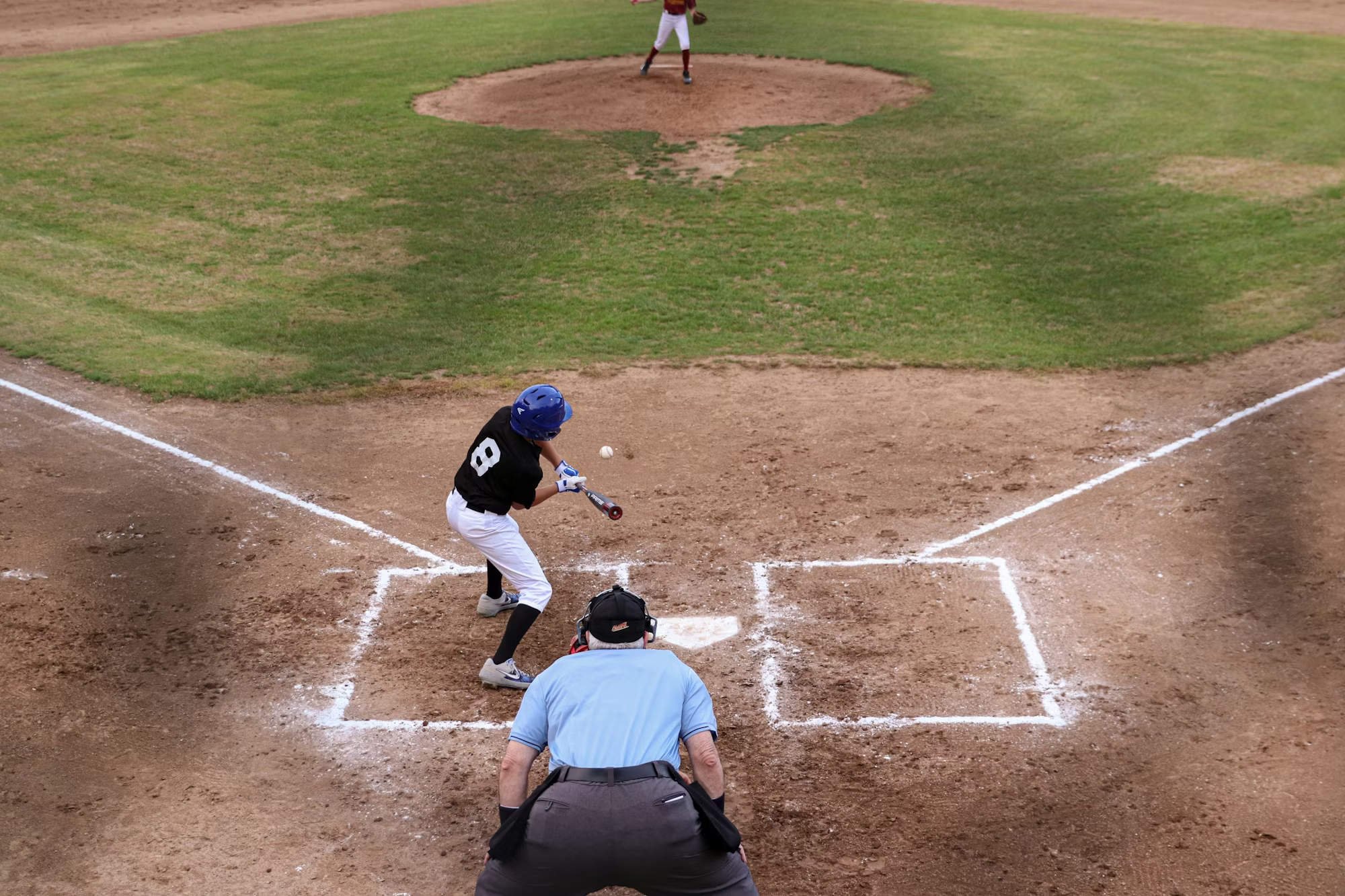
Baseball is more than just a game; it’s a vibrant cultural phenomenon that has shaped American society for over a century. As America’s pastime, baseball weaves a tapestry of traditions, emotional connections, and community pride that transcends generations. In this article, we will delve into the culture of baseball, examining its rituals, the role of fans, the significance of rivalries, and the ways the sport fosters a unique sense of belonging.\n\n The Rituals and Traditions of Baseball\nBaseball is steeped in rituals that enhance the experience for players and fans alike. From the moment a game begins, a series of time-honored traditions come into play. One of the most iconic rituals is the singing of the national anthem, which sets the tone for the game and evokes a sense of unity among attendees.\n\nAnother beloved tradition is the seventh-inning stretch, a moment when fans rise to stretch and often sing “Take Me Out to the Ball Game.” This practice not only provides a physical break but also reinforces the communal spirit of the game, as fans collectively participate in a shared experience.\n\nThroughout the season, various themed nights and events, such as bobblehead giveaways and fireworks displays, further enrich the baseball culture, creating memorable experiences for fans. These traditions contribute to a sense of nostalgia, reminding fans of their personal connections to the game and the joy it brings.\n\n The Role of Fans in Baseball Culture\nFans are the lifeblood of baseball culture, bringing energy and passion to the ballpark. The camaraderie among fans is palpable, as they gather to cheer for their favorite teams, wear jerseys, and engage in lively banter. Whether it’s at a major league stadium or a local little league field, the enthusiasm is infectious, creating an atmosphere that enhances the enjoyment of the game.\n\nBaseball fans are known for their loyalty, often supporting their teams through thick and thin. This unwavering commitment creates a sense of identity, as fans proudly wear their team colors and engage in spirited rivalries. The emotional highs and lows of the game are shared experiences, bonding fans together in ways that transcend individual differences.\n\nMoreover, the advent of social media has transformed the way fans engage with baseball. Online platforms allow fans to share their thoughts, celebrate victories, and commiserate over losses, creating a virtual community that extends beyond the ballpark. This digital engagement has further deepened the connection between fans and the sport, making baseball a topic of conversation in everyday life.\n\n Iconic Rivalries: Fueling the Passion\nRivalries are a cornerstone of baseball culture, adding excitement and intensity to the sport. These matchups often hold deep historical significance and evoke strong emotions among fans. Notable rivalries, such as the New York Yankees versus the Boston Red Sox, have transcended the game itself, becoming cultural phenomena that symbolize regional pride and competitive spirit.\n\nThe storied history of these rivalries often stems from pivotal moments in baseball lore, where legendary players have left their mark. Fans eagerly anticipate these matchups, as they often bring out the best in players and create an electric atmosphere in the stadium. The fierce competition and heightened stakes foster a sense of community among fans, who come together to support their teams in the face of fierce rivalry.\n\n Baseball Folklore and Storytelling\nThe culture of baseball is rich with folklore and storytelling, with legends that capture the imagination of fans. Stories of legendary players, miraculous plays, and historic games are passed down through generations, creating a sense of continuity and connection to the sport’s past.\n\nIcons like Babe Ruth, Jackie Robinson, and Hank Aaron are not just players; they are cultural touchstones whose stories inspire and resonate with fans. Their achievements on the field are often accompanied by tales of perseverance, courage, and determination that extend beyond the game itself, reinforcing baseball’s role as a microcosm of American society.\n\nAdditionally, the art of storytelling is present in the broadcasts and narratives surrounding the game. Commentators and analysts share anecdotes and insights that enrich the viewer’s experience, while writers and filmmakers create compelling narratives that celebrate the beauty and drama of baseball. This storytelling tradition fosters a deeper appreciation for the game, allowing fans to connect with it on an emotional level.\n\n The Emotional Connection: Baseball as a Lifelong Passion\nFor many, baseball is not just a pastime; it’s a lifelong passion that shapes identities and creates lasting memories. Families often bond over shared experiences at the ballpark, with generations coming together to root for their team. These outings become cherished traditions, as parents pass down their love for the game to their children.\n\nThe emotional connection to baseball is often tied to significant life events. Many fans recall their first game, the thrill of witnessing a home run, or the joy of attending a championship victory. These memories become woven into the fabric of their lives, creating a sense of belonging and continuity that is unique to the sport.\n\n The Future of Baseball Culture\nAs baseball continues to evolve, so too will its culture. Efforts to engage younger audiences through initiatives like youth baseball programs and outreach efforts aim to ensure that the love for the game is passed down to future generations. Embracing diversity and inclusivity within the sport is essential to expanding its cultural reach and making it accessible to all.\n\nThe integration of technology into baseball culture will also play a significant role in shaping its future. Innovations such as augmented reality experiences and interactive fan engagement will create new ways for fans to connect with the game, enhancing their overall experience.\n\n Conclusion\nBaseball culture is a rich tapestry of traditions, emotions, and connections that bind fans to the game. From its time-honored rituals to the passionate engagement of fans, the culture surrounding baseball is a testament to the sport’s enduring significance. As baseball continues to evolve, its cultural heartbeat will remain strong, ensuring that it remains an integral part of American life for generations to come.
